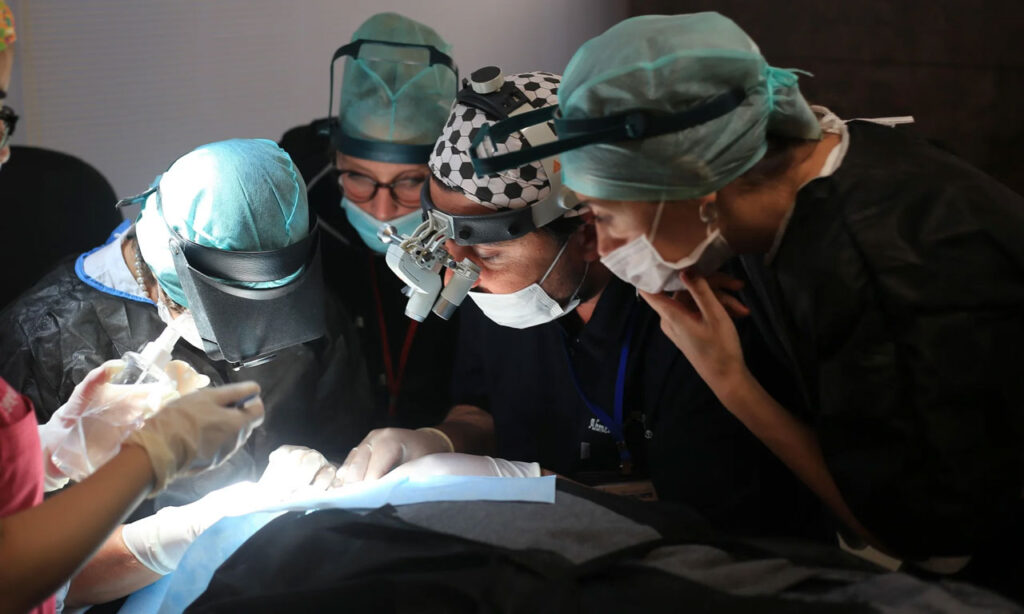
A hair transplant course is a short programme of supervised training that lasts days or weeks. In this article, a fellowship in the formal sense means a Fellowship Training Program of the International Society of Hair Restoration Surgery (ISHRS). It lasts 9 to 12 months and requires at least 70 cases per training fellow. HTTC, the Hair Transplant Training Center at HLC Hairline Clinic in Ankara, offers training courses in follicular unit extraction (FUE) and FUE workshops. It does not offer a fellowship.
Doctors who search for a “hair transplant fellowship in Turkey” mostly find short courses, and some of them carry “fellowship” in their name. The word covers three different things, and only one of them is a training programme in the ISHRS sense. Which format you need depends mostly on how much of your practice you want to give to hair restoration, and how long you can be away from it.
Course, workshop and fellowship compared
| Format | What it is | Typical length | What you leave with |
|---|---|---|---|
| HTTC training course | Supervised FUE training at HLC Hairline Clinic, Ankara: theory, demonstrations and practical work on real patients | One day to four weeks, agreed with HTTC | A certificate of completion that records the techniques, supervised cases and training hours |
| HTTC FUE workshop | A focused session on selected techniques at a basic, intermediate or advanced level | Arranged for each session | A certificate of completion |
| ISHRS Fellowship Training Program | A training programme under an ISHRS-approved director, based on the ISHRS Core Curriculum | 9 to 12 months, at least 70 cases per fellow | Completion of a recognised fellowship |
| FISHRS | A designation the ISHRS gives to members who meet its educational criteria | Not a programme | The FISHRS designation, kept while you continue to meet the criteria |
| ABHRS certification | Certification by the American Board of Hair Restoration Surgery | Not a programme | Diplomate status after demonstrated training, post-training experience and written and oral examinations |
“Fellowship” can mean three different things
1. An ISHRS Fellowship Training Program
This is the fellowship the ISHRS itself sets standards for and lists. The ISHRS describes its programme as helping the training fellow develop the medical and surgical skills to practise safe hair restoration surgery. Programmes follow the ISHRS Core Curriculum and Core Competencies, and both the programme director and the site must meet the society’s guidelines.
Fellowships last 9 to 12 months. Under the ISHRS fellowship policy, each trainee must act as first assistant surgeon in at least 70 cases over a minimum of 9 months. You apply by contacting an approved programme director; the ISHRS lists them on its Fellowship Training Programs page.
2. The FISHRS designation
“FISHRS” stands for Fellow of the International Society of Hair Restoration Surgery. The ISHRS introduced the designation in 2012 for members who meet its educational criteria. Surgeons reach it through a points system that counts activities such as leadership roles, ABHRS certification, scientific papers and teaching at scientific meetings. To keep the designation, a surgeon must go on meeting those criteria.
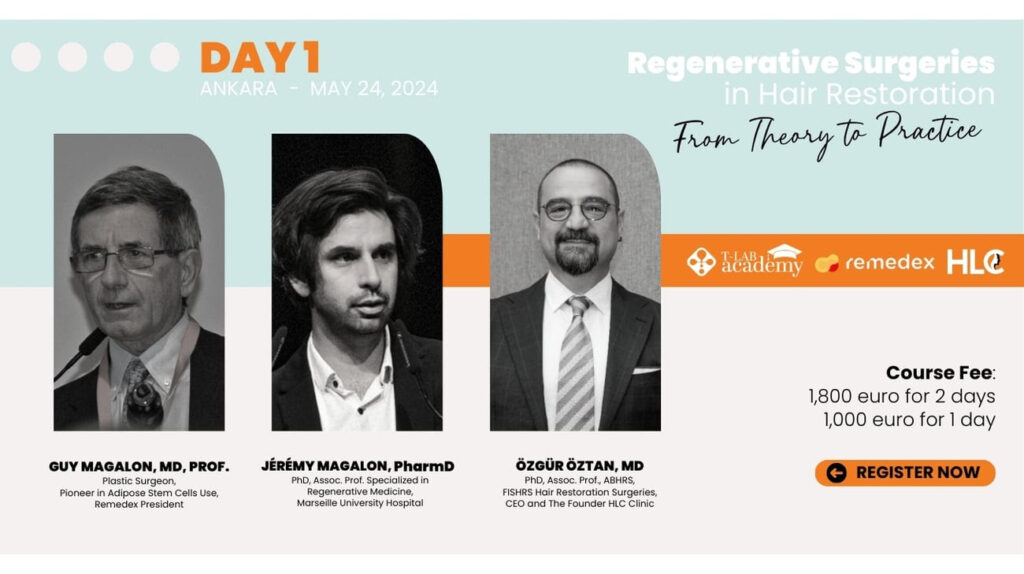
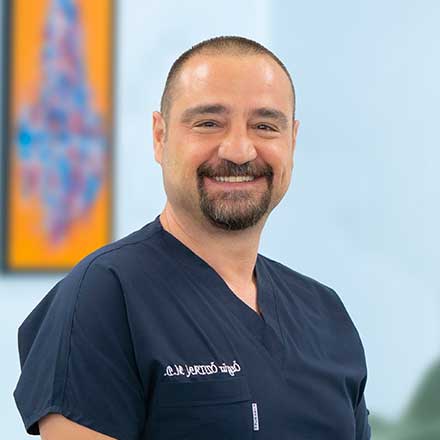
FISHRS recognises a surgeon’s record, so there is no course to enrol in. Dr. Özgür Öztan, Medical Director of HLC Hairline Clinic and founder of HTTC, has held the FISHRS designation since 2022 and appears on the ISHRS list of Fellows.
3. A programme name
Some private providers call their own programmes fellowships. In our research for this article we read the page of one programme with “Fellowship” in its title that lasts four days. A name like this tells you little about the length, the caseload or who stands behind the programme. Ask what the programme contains before you compare it with an ISHRS fellowship.
What an HTTC course involves
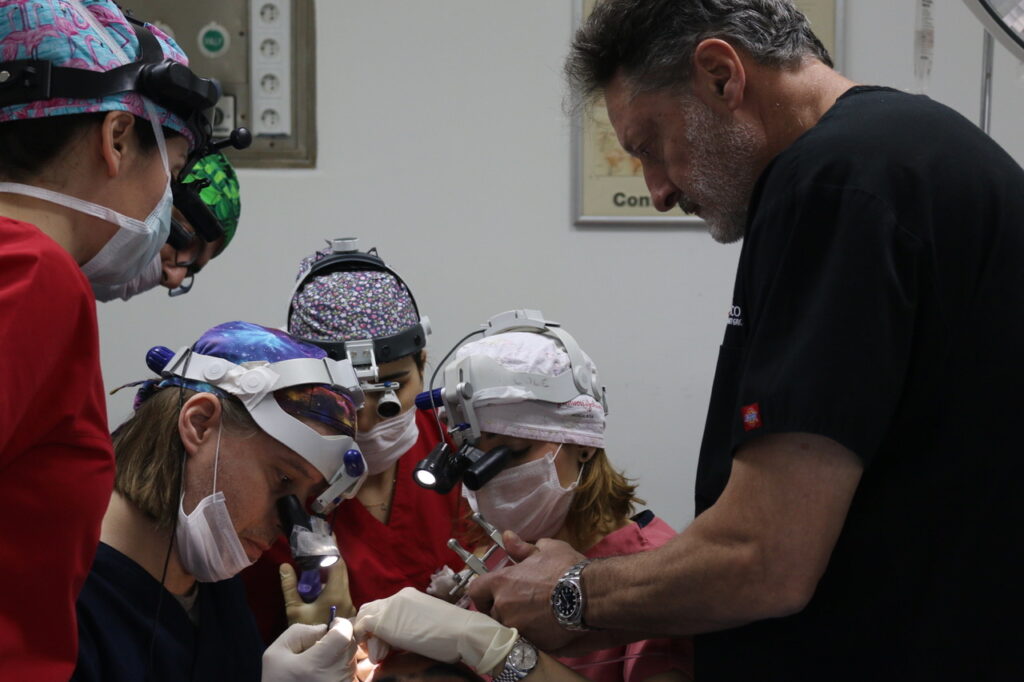
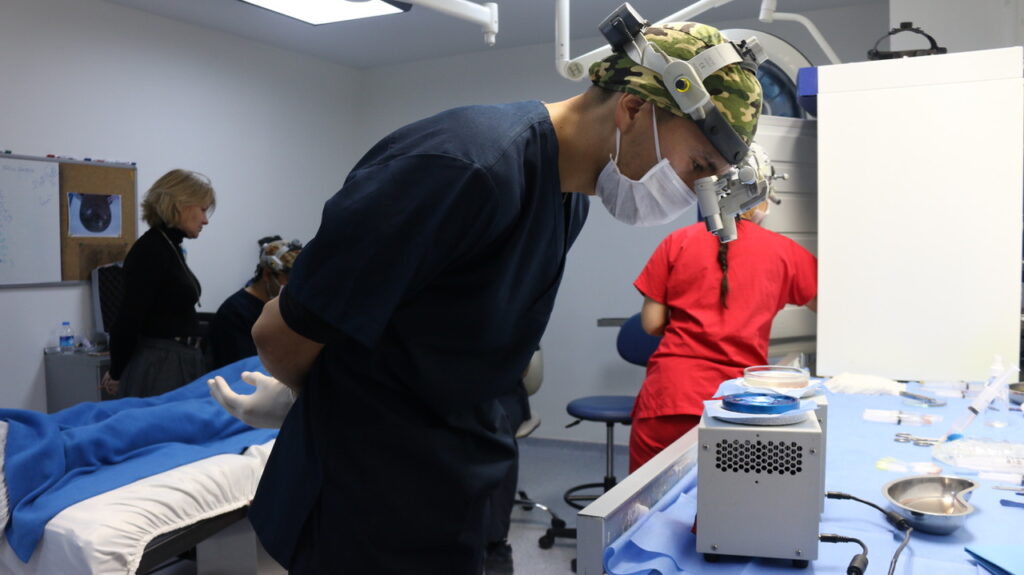
HTTC trains licensed physicians, including dermatologists, plastic surgeons and general surgeons. Credentials are checked during registration. Training takes place at HLC Hairline Clinic in Ankara and follows the clinical workflow from the first consultation to postoperative care. It includes FUE extraction and implantation on real patients under direct surgeon supervision, together with theory, demonstrations, practical work and case discussion.
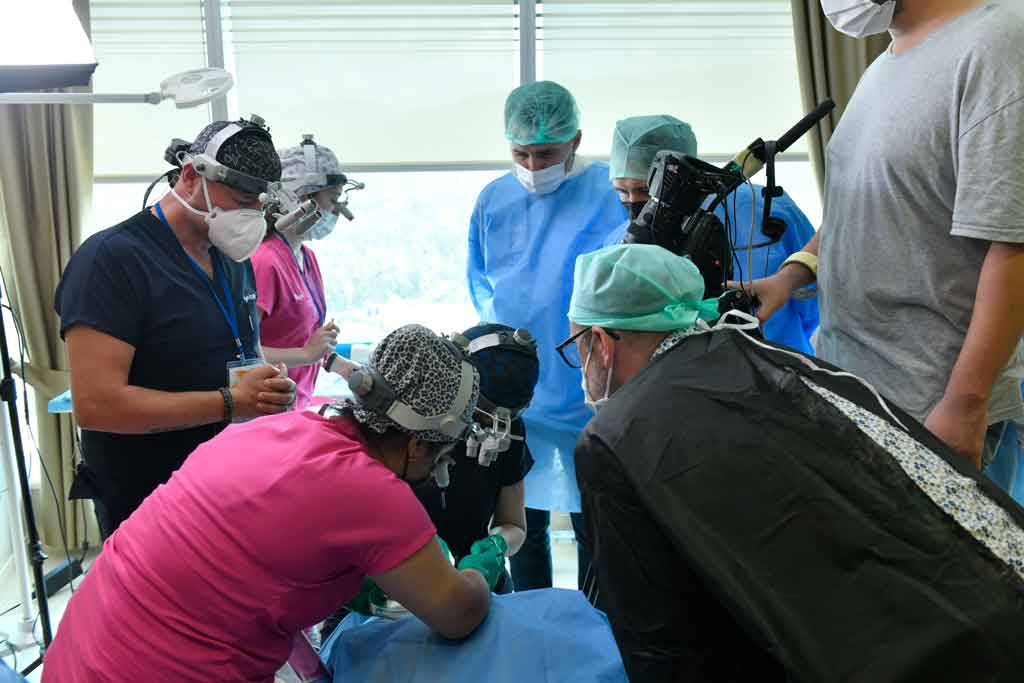
You train one-to-one or in a group of two or three. A programme can run from a one-day intensive to four weeks, and HTTC agrees the length and focus with you based on your experience and goals. Training costs USD 5,000 per day for one person, and a three-day course costs USD 15,000. Groups of two or three can ask for a package price. The pricing page lists what is included.
A course concentrates supervised time with the procedure into days or weeks. HTTC does not promise independent competence after a fixed number of days. If you are unsure how long to book, read how long FUE hair transplant training takes.
Looking for a hair transplant fellowship in Turkey?
On 6 October 2026, the ISHRS list of approved fellowship training directors that we read did not include a director based in Turkey. The list can change, so check the current version on the ISHRS site before you plan around it.
Turkey does have many short training programmes, and some use the word “fellowship” in their title. If you want a formal fellowship, compare any offer against the ISHRS requirements above. If what you want is supervised, hands-on FUE training in days or weeks, a course is the format that matches, and HTTC offers one in Ankara.
Course or fellowship: which one suits you?
A fellowship fits a physician who plans to make hair restoration a main part of their practice and can spend 9 to 12 months working in another surgeon’s practice. It gives a structured caseload over most of a year.
A course fits a licensed physician who needs supervised, hands-on time with FUE without leaving their own practice for months. It also fits an experienced FUE surgeon who wants to refine one technique, such as powered extraction or implantation with implanters, in a focused visit.
The two formats do not exclude each other. A doctor can take a course first, for example to work through FUE under supervision, and decide later whether to apply for a fellowship. The HTTC certificate, however, is not a substitute for formal fellowship accreditation.
Questions to ask any programme called a fellowship
The buyer guide for FUE training courses covers the general questions. For a programme labelled as a fellowship, also ask:
- How long does it last, and how many cases will I take part in?
- What will my role be in each case: observer, assistant or first assistant?
- Which organisation recognises the programme, and does that organisation list it?
- Who is the programme director, and will they supervise me in person?
- What exactly does the final document certify?
If the answers describe a few days of training, you are looking at a course with a different name, which can still be useful training if you know what you are paying for. HTTC is a training provider and offers the course described here, so put the same questions to HTTC.
What the HTTC certificate records, and what it is not
Participants who complete an HTTC course or FUE workshop receive a certificate of completion signed by the instructing surgeon. It records the training format, the dates and location, the techniques covered, the supervised cases observed or participated in and the completed training hours.
The certificate is recognised by the FUE Europe Hair Transplant Society, and graduates can use it when they apply for FUE Europe membership; admission follows the society’s own process. Dr. Özgür Öztan, HLC’s Medical Director, is a past president of FUE Europe. It is not an ISHRS-issued qualification and not a substitute for formal fellowship accreditation. It also does not replace the authorisation you need to practise where you work. The certificate page has the details.
Frequently asked questions
More answers about enrolment, fees and certificates are in the HTTC training FAQ.
What is the difference between a hair transplant course and a fellowship?
A course gives a licensed physician supervised training over days or weeks. An ISHRS fellowship lasts 9 to 12 months, requires at least 70 cases per fellow and runs under an ISHRS-approved director. HTTC offers courses and FUE workshops in Ankara, not a fellowship.
How long is a hair transplant fellowship?
An ISHRS Fellowship Training Program lasts 9 to 12 months. Under the ISHRS fellowship policy, each trainee acts as first assistant surgeon in at least 70 cases over a minimum of 9 months. Programmes called fellowships by private providers can be much shorter, so check the length before you compare.
Is the HTTC course a fellowship?
No. HTTC offers training courses and FUE workshops at HLC Hairline Clinic in Ankara. The certificate of completion is not an ISHRS-issued qualification and is not a substitute for formal fellowship accreditation.
What does FISHRS mean?
FISHRS means Fellow of the International Society of Hair Restoration Surgery. It is a designation for ISHRS members who meet the society’s educational criteria through a points system, not a training programme. Dr. Özgür Öztan, founder and chairman of HTTC, has held it since 2022.
Can I do a hair transplant fellowship in Turkey?
The ISHRS list of approved fellowship training directors we read on 6 October 2026 did not include a director based in Turkey. Short courses are widely available there. Check the current ISHRS list, and ask any programme called a fellowship about its length, caseload and recognition.
Does a course count towards a fellowship or board certification?
HTTC does not claim that its course counts towards an ISHRS fellowship or ABHRS certification, and the certificate is not a substitute for fellowship accreditation. Ask the organisation you plan to apply to which training it accepts.
Who can attend HTTC training?
Licensed physicians, including dermatologists, plastic surgeons and general surgeons. HTTC checks credentials during registration. Medical assistants and surgical nurses can attend alongside a physician.
Plan your training with HTTC
If a course fits your goals, send HTTC your background, the techniques you want to work on and the dates you have in mind. The team will suggest a programme length and confirm the dates before you book travel. Start with the course page or contact HTTC.
Sources
- International Society of Hair Restoration Surgery. Fellowship Training Programs. Accessed 6 October 2026.
- International Society of Hair Restoration Surgery. Policies, Procedures and Guidelines of the Fellowship Training Programs (PDF). Accessed 27 September 2026.
- International Society of Hair Restoration Surgery. Fellows (FISHRS). Accessed 6 October 2026.
- American Board of Hair Restoration Surgery. Certification. Accessed 6 October 2026.
- HTTC programme details: training course, FUE workshop, FAQ, pricing and certificate pages, as published on 6 October 2026.